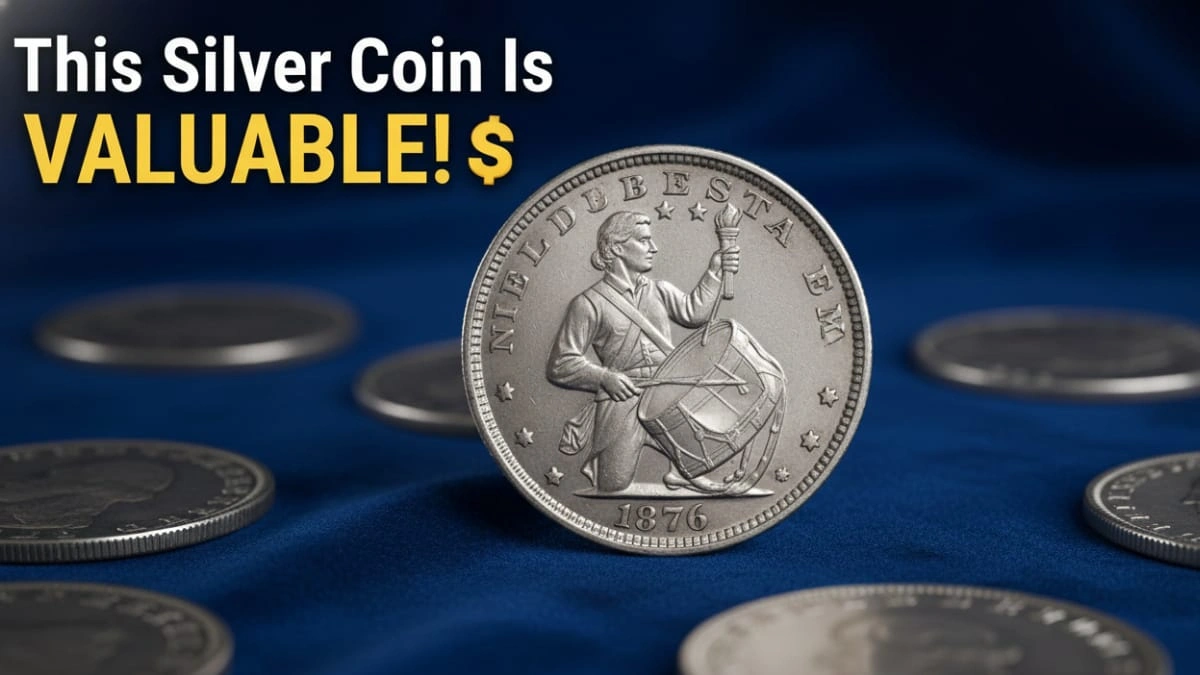
The Bicentennial Quarter of 1976 was issued to celebrate the 200 years of American independence (1776–1976). Because it commemorated a special occasion, millions of people saved it, consequently making most of the mints available today very common. Not all Bicentennial quarters, on the other hand, are common. Some truly rare varieties and error pieces are likely to be worth hundreds or even thousands of dollars by 2026.
Collectors keep on hunting for valuable pieces, especially with the growth of demand for the antiquated US coins.
IRS $2000 Direct Deposit for December 2025: What is Real, What is Not and Who May Get Paid?
Understanding the Bicentennial Quarter Design
- The Bicentennial Quarter looks different from regular quarters:
- Obverse (front): George Washington’s portrait with the dual date 1776–1976
- Reverse (back): A Colonial drummer with a torch and 13 stars
Mint Marks:

- No mint mark → Philadelphia
- D → Denver
- S → San Francisco
Coins from different mints can have very different values depending on metal content and condition.
Why Some 1976 Bicentennial Quarters Are Valuable
The majority of Bicentennial quarters are only worth their face value, but some factors cause the price of these to go up significantly.
1. Silver Composition Coins
Some Bicentennial quarters were minted in 40% silver, mainly for collector sets from the San Francisco Mint. These coins:

- Weigh slightly more
- Have a brighter silver color
- Are worth more than copper-nickel coins
2. Mint Error Quarters
Minting mistakes make coins rare and highly collectible. Popular errors include:
- Doubled die lettering or numbers
- Off-center strikes
- Wrong planchet errors (struck on the wrong metal)
- Clipped planchets
Major errors can dramatically increase a coin’s value.
3. High-Grade Condition Coins
Condition plays a huge role in value. Coins graded:

- MS67 or higher (Mint State)
- With sharp details and no wear
can sell for much more than circulated coins.
Estimated Value of Rare Bicentennial Quarters (2026)
| Coin Type | Reason for High Value | Estimated Price Range |
|---|---|---|
| 40% Silver Quarter | Precious metal content | $10 – $150+ |
| Doubled Die Error | Visible doubling on letters or numbers | $50 – $600+ |
| Off-Center Strike | Misaligned or shifted design | $25 – $400+ |
| Proof Silver (S Mint) | Collector-quality proof finish | $30 – $1,000+ |
| MS67+ Graded Coin | Near-perfect condition | $75 – $900+ |
| Major Mint Error | Extremely rare minting mistake | $500 – $5,000+ |
New Information: How to Identify a Silver Bicentennial Quarter at Home
You can do a quick check before professional grading:
- Edge check: Silver coins do not show a copper stripe
- Weight: Silver versions feel slightly heavier
- Sound test: Silver coins produce a higher-pitched ring
These are not final tests but helpful for beginners.

Why Professional Grading Matters
Coins certified by trusted grading services like:
- PCGS
- NGC
usually sell for higher prices and gain buyer trust. Uncertified coins often sell for less, even if they look rare.
Last Thought
Final Thoughts: The Bicentennial Quarter, from 1976, is one of the most easily recognizable coins from the United States. Most examples are certainly still worth spending 25 cents on, but examples of silver, mint errors, and high-grade coins can fetch a surprisingly high price in 2026.

If you have one of these, it would be worth cross-examining, as you might have more than just loose change.